Heart Wisdom – Ep. 02 – Spiritual Laundry w/ Duncan Trussell and Pete Holmes
Amazon.com Widgets Jack sits down with comedians Pete Holmes and Duncan Trussell to discuss a variety of topics including the amorphous construct of our identities,…



Amazon.com Widgets Jack sits down with comedians Pete Holmes and Duncan Trussell to discuss a variety of topics including the amorphous construct of our identities,…

Unhealthy thoughts can chain us to the past. They arise as vipaka, the result of past karma that we cannot change. We can, however, change…

As you reflect on your spiritual life you can ask yourself: What do you know in your heart about the truth of life? Do you…
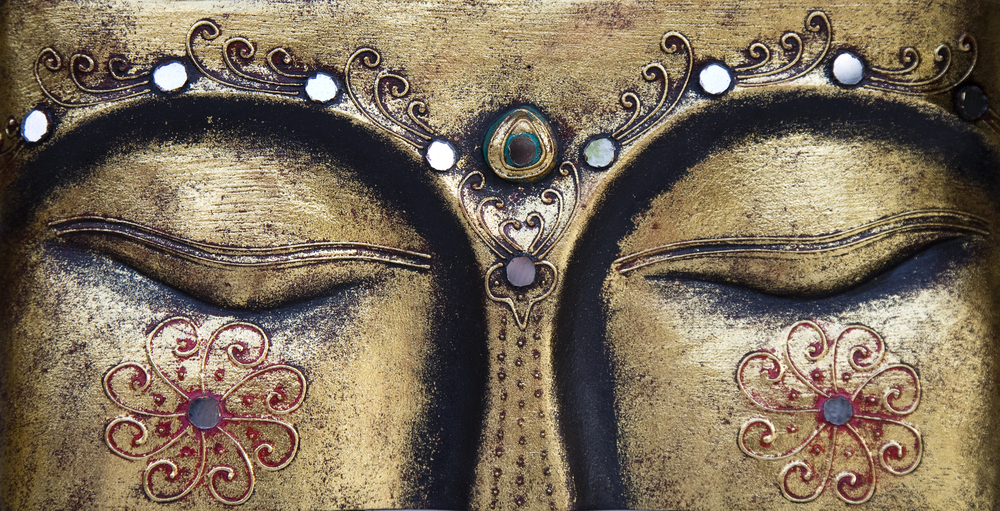
Buddhist psychology helps us with two important tasks in working with thoughts. First it teaches us how to acknowledge the content of our…

In non-identification we stop taking the experience as me or mine. We see how our identification creates dependence, anxiety, and inauthenticity. In practicing non-identification, we…
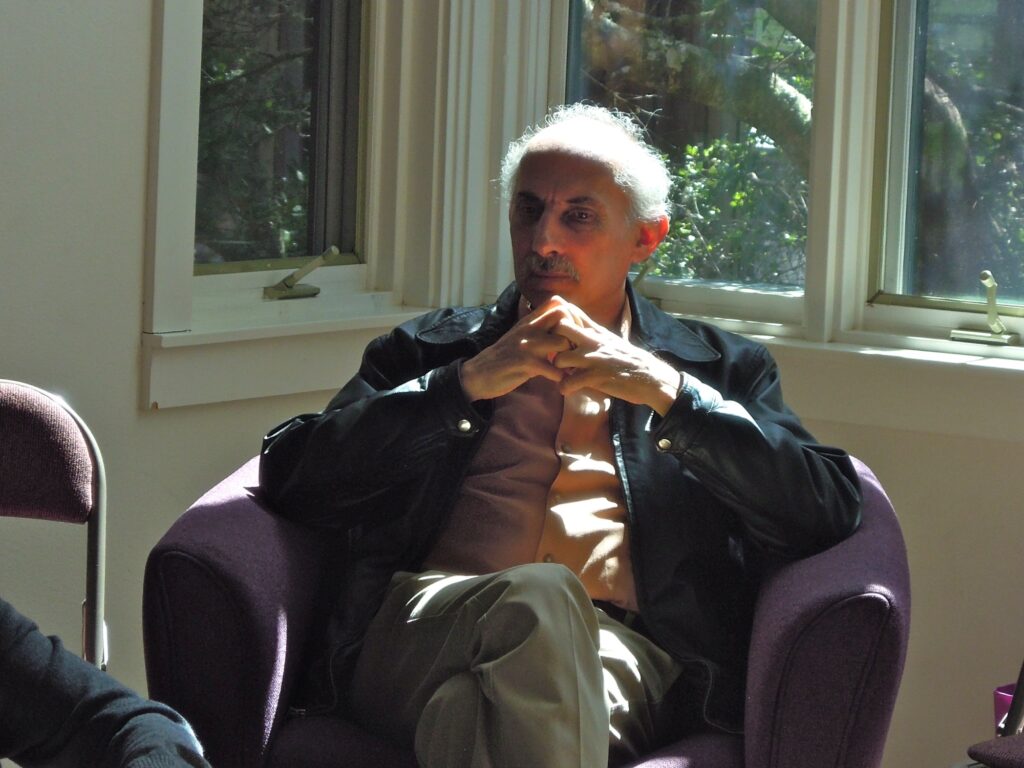
An Interview with Jack featured in TheFix.com. Have you worked with people struggling with substance and behavioral addictions? Over the years, many people struggling with…
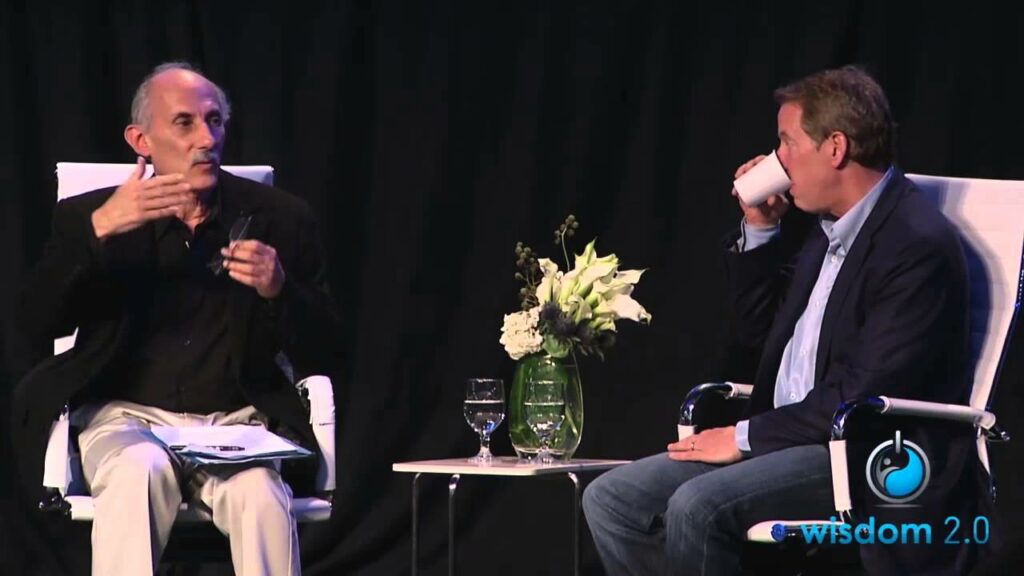
Taken from the Wisdom 2.0 Conference, Jack sits down with CEO Bill Ford.

Another form of aversion that we can learn to be mindful of is boredom. Usually we are afraid of boredom and will do anything to…

This is a second principle for releasing repeated patterns-Open to a Full Awareness of the Feelings. It is the feeling level that controls most of…

Spiritual Awakening is found in the here and now. In the Zen tradition they say, “After the ecstasy, the laundry.” Spiritual maturity manifests itself in…

The “Jewel in the Lotus” is the translation of the universal compassion mantra “Om Mani Padme Hum.” While it has many meanings, one explanation of…

Equanimity is not indifference, and compassion is not pity. True spirituality requires us to be fully present for life. For us to begin to look…